
Florida Rideshare Accident Lawyer
Injured in an Uber or Lyft Accident? Rideshare Insurance Is Complicated — We Know How to Navigate It.
Florida Rideshare Accident Lawyer
Injured in an Uber or Lyft Accident? Rideshare Insurance Is Complicated — We Know How to Navigate It.
Getting into an accident while riding in an Uber or Lyft — or being hit by a rideshare driver — is more legally complex than a standard car crash. The reason is that Uber and Lyft use layered insurance structures that change depending on what the driver was doing at the moment of the accident.
That complexity is not an accident. It is a system designed to create confusion about who owes what — and to minimize what you actually receive. Lamar Legal untangles the coverage questions, identifies every available source of compensation, and pursues your full claim with the insurance sophistication these cases require.
How Rideshare Insurance Coverage Works in Florida
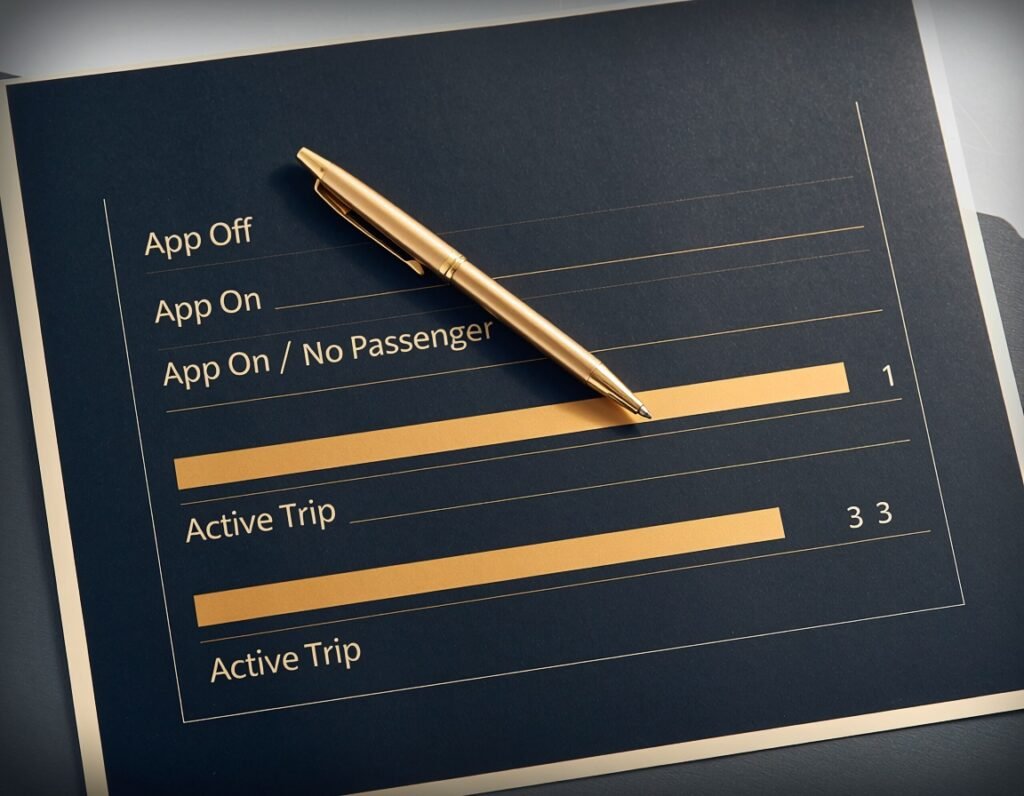
Phase 1 – App Off: Driver using their personal vehicle with app off. Only the driver’s personal auto insurance applies. Uber and Lyft have no coverage obligation.
Phase 2 – App On, No Passenger: Driver logged into the app but has not accepted a ride. Uber/Lyft provide contingent liability coverage: $50,000 per person / $100,000 per accident / $25,000 property damage — but only if the driver’s personal insurance does not apply.
Phase 3 – Ride Accepted or Passenger On Board: Driver has accepted a ride or a passenger is in the vehicle. Uber and Lyft provide $1 million in liability coverage plus uninsured/underinsured motorist coverage.
Determining which phase applies at the moment of your accident is the critical first legal step — and it directly determines which insurance is available.
As a passenger, you are generally in Phase 3 during your trip, meaning the $1 million Uber/Lyft policy is active.
As a third party hit by a rideshare driver, coverage depends on which phase the driver was in at the time of impact.
What to Do Immediately After Rideshare Accident
Rideshare accidents require some specific documentation steps beyond a standard car accident.
-
Screenshot the rideshare app immediately — capture the trip status, driver information, and any in-app notification showing you were on a trip
-
Request a copy of the trip receipt from the app — it provides a timestamp of your trip
-
Photograph the vehicle, the rideshare app logo or decal on the vehicle, and any visible damage
-
Get the driver’s name, license, and personal insurance information
-
Call 911 and get a police report
-
Seek medical attention immediately
-
Do not communicate directly with Uber, Lyft, or their insurance representatives without an attorney — their processes are designed to manage claims, not maximize your recovery
How We Handle Your Rideshare Accident Case
- We identify which coverage phase applies and determine every applicable insurance policy — Uber/Lyft commercial policy, driver personal policy, and your own UM/UIM coverage
- We obtain the rideshare trip data directly — timestamps, GPS records, and driver status confirmation
- We send representation and preservation letters to Uber and Lyft immediately to prevent evidence destruction
- We navigate the multi-insurer process — coordinating claims across personal auto policies, the rideshare commercial policy, and your own coverage as needed
- We identify additional liable parties where applicable — including the vehicle manufacturer if a defect contributed
- We build the full damages case and negotiate against experienced rideshare claims adjusters
Compensation You May Recover
Rideshare accident victims may recover the same categories of damages as any car accident victim — and in serious cases, the $1 million Uber/Lyft policy provides significant coverage when the driver was on an active trip.
- Medical expenses — emergency care, hospitalization, surgery, rehabilitation
- Lost wages and future earning capacity
- Pain and suffering
- Property damage
- Permanent injury, disability, or disfigurement
- Emotional distress and loss of enjoyment of life
Every case is different. The value of a personal injury claim depends on injury severity, liability clarity, available insurance, and long-term impact. We evaluate your specific situation during your free case evaluation.

How the Case Process Works
The rideshare accident case process mirrors standard car accident cases, with added steps specific to the coverage analysis.
Stage 1 – Free Case Evaluation
We assess your accident, the driver’s rideshare status at the time, your injuries, and the available coverage. No cost, no obligation.
Stage 2 – Coverage Analysis and Evidence Preservation
We determine which insurance tier applies, request the trip data from Uber or Lyft, and send preservation letters immediately.
Stage 3 – Multi-Insurer Claims Management
We manage communication with all involved insurers — personal auto, Uber/Lyft commercial, and your own UM/UIM carrier if applicable.
Stage 4 – Medical Documentation and Demand
We document your injuries and build a comprehensive demand that accounts for all applicable coverage.
Stage 5 – Resolution or Litigation
We negotiate for full value. If insurers refuse, we file suit.
Most personal injury cases settle without going to trial. We prepare every case as if it will go to trial — because that preparation is what produces the best settlements.
Frequently Asked
Questions – Florida Rideshare Accident Lawyer
-
Who pays for my injuries in a rideshare accident?
Q: Who pays for my injuries in a rideshare accident?
A: It depends on which phase of the rideshare process the driver was in at the time of the accident. If you were a passenger on an active trip, Uber and Lyft’s $1 million liability policy is generally the primary coverage source. If you were hit by a rideshare driver who was between trips, coverage may come from the driver’s personal policy and potentially the contingent Uber/Lyft Phase 2 coverage. We conduct the coverage analysis as a first step in every rideshare case.
-
Can I sue Uber or Lyft directly?
Q: Can I sue Uber or Lyft directly?
A: Uber and Lyft classify their drivers as independent contractors, which typically insulates them from direct employer liability for driver negligence. However, both companies provide mandatory commercial insurance coverage while drivers are on their platform. In some circumstances — such as negligent onboarding of an unqualified driver — direct claims against the company may be possible. We evaluate this on a case-by-case basis.
-
What if the rideshare driver was uninsured or had minimal coverage?
Q: What if the rideshare driver was uninsured or had minimal coverage?
A: If the driver was on an active trip, Uber and Lyft’s $1 million policy applies regardless of the driver’s personal coverage. If the driver was off the app, you may be limited to the driver’s personal insurance — which is why your own UM/UIM coverage is so important. We identify every available source of recovery.
-
I was hit by an Uber or Lyft driver as a pedestrian or in another car — do I have a claim?
Q: I was hit by an Uber or Lyft driver as a pedestrian or in another car — do I have a claim?
A: Yes. Third parties injured by rideshare drivers have the same rights as any other accident victim. The coverage available depends on the driver’s app status at the time of impact, which we determine through trip data and driver records.
Speak With a Florida Rideshare Accident Lawyer Today
Evidence fades quickly after accidents. Surveillance footage is deleted. Witnesses’ memories fade. Insurance companies move immediately to minimize claims.
Early legal guidance strengthens your position and protects your rights.
Don’t navigate this complex process alone. Schedule a free case evaluation to understand your rights, options, and potential compensation.
Get Your Free Case Evaluation →
Or Call Now
(888) 402-4LAW
Available 24 hours a day, 7 days a week
Same-day consultations available